
Why Bone Health Matters
We often think of bones as solid and unchanging—but they are actually living tissue. Your body is constantly breaking down old bone and building new bone. When this balance is healthy, your bones stay strong.
As we age, however, this process slows down. We start losing more bone than we build. Over time, this can lead to osteoporosis—a condition where bones become weak, thin, and more likely to break.
Osteoporosis is often called a “silent disease” because you don’t feel it happening. Many people only discover it after a fracture—sometimes from a simple fall or minor bump. Bone Health and Preventing Osteoporosis


What Is Osteoporosis?
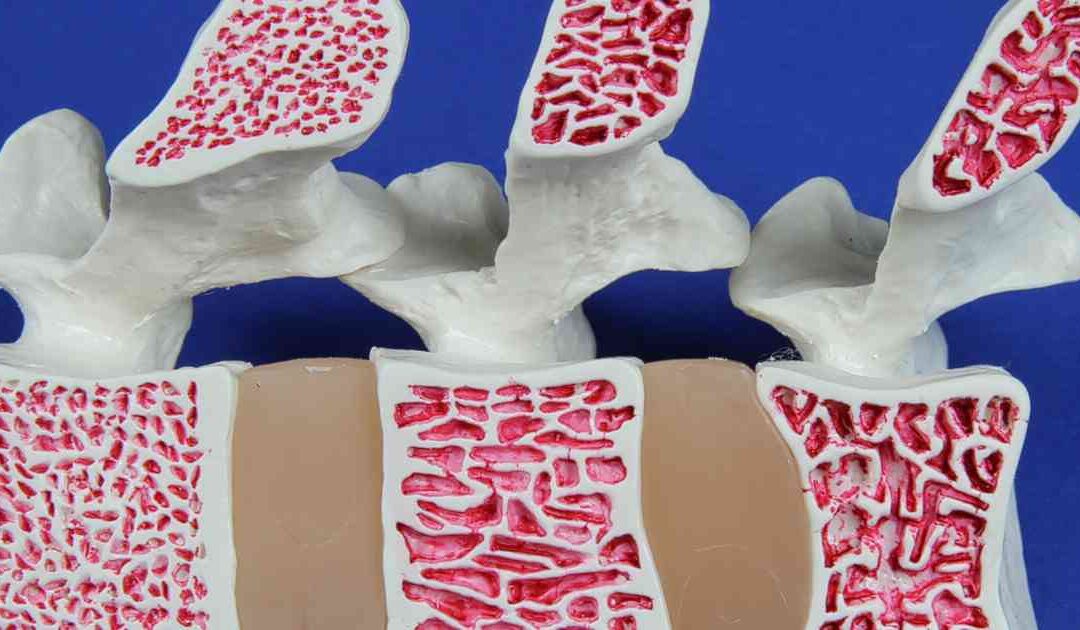
Osteoporosis literally means “porous bone.” It causes bones to lose density and strength, making them fragile.
The most common fractures occur in:
- The hip
- The spine
- The wrist
Without prevention, these fractures can significantly affect mobility, independence, and quality of life.
Who Is at Risk?
While anyone can develop osteoporosis, your risk increases if you:
- Are over 50
- Are female (especially after menopause)
- Have a family history of osteoporosis
- Have a smaller or thinner body frame
- Don’t get enough calcium or vitamin D
- Smoke or drink alcohol regularly
- Are not physically active
The Good News: It’s Largely Preventable
The encouraging part is that bone health is something you can actively improve—at any age.
1. Eat for Strong Bones
Your bones need the right building blocks:
- Calcium (for strength)
- Vitamin D (helps your body absorb calcium)
Good sources include:
- Dairy products (milk, yoghurt, cheese)
- Leafy greens
- Fish like salmon or sardines
- Sunlight exposure for natural Vitamin D
2. Move Your Body (The Right Way)
Exercise is one of the most powerful tools for bone health.
Focus on:
- Weight-bearing exercise (walking, jogging, dancing)
- Strength training (weights, resistance bands)
- Balance exercises (yoga, Pilates, tai chi)
These activities help stimulate bone growth and reduce the risk of falls.
3. Maintain a Healthy Lifestyle
Small habits make a big difference:
- Stop smoking
- Limit alcohol intake
- Maintain a healthy weight
- Stay active daily
These all help preserve bone density and overall health.
4. Know Your Risk Early
If you’re over 50—or have risk factors—it’s worth discussing a bone density scan (DEXA scan) with your doctor.
Early detection allows you to:
- Slow bone loss
- Strengthen existing bone
- Prevent fractures before they happen
Bone Health Across Your Life
Bone health isn’t just something to think about later in life—it starts early.
- Children & teens: Build strong bones
- Adults: Maintain bone strength
- Older adults: Prevent bone loss and avoid falls
The stronger your bones are earlier in life, the better protected you are later on.
Simple Daily Checklist
To protect your bones, aim to:
- Get enough calcium and Vitamin D
- Stay physically active
- Include strength and balance exercises
- Avoid smoking
- Limit alcohol
- Check your bone health if at risk
Osteoporosis doesn’t have to be an inevitable part of ageing.
With the right habits, awareness, and early action, you can keep your bones strong, reduce your risk of fractures, and maintain an active, independent lifestyle for years to come.


This article “Bone Health and Preventing Osteoporosis” does not provide medical advice and is intended for informational purposes only. It is not a substitute for professional medical advice, diagnosis or treatment. Please consult a doctor for all medical advice.

Meet Dr Peter Smith, a leading Orthopaedic Surgeon operating from the Mediclinic Milnerton in Cape Town, Western Cape. His practice is situated in the heart of this seaside town. Dr Peter Smith not only offers patients the full spectrum of professional orthopaedic treatments, but specialises in total knee replacement, total hip replacement, sports injuries and the latest arthroscopic surgery techniques and computer guided surgery. He gained extensive experience in the latest arthroplasty techniques during his stay of 6 years in Australia where he performed more than a hundred primary and revision hip and knee replacements cases in a year.
Call today!
Contact us for more information by clicking on the button to call us directly.
Sources
https://pmc.ncbi.nlm.nih.gov/
https://my.clevelandclinic.org/
https://www.bonehealthandosteoporosis.org/
https://www.nhs.uk/
https://www.osteoporosis.foundation/
https://theros.org.uk/
https://www.gaucherdisease.org/