
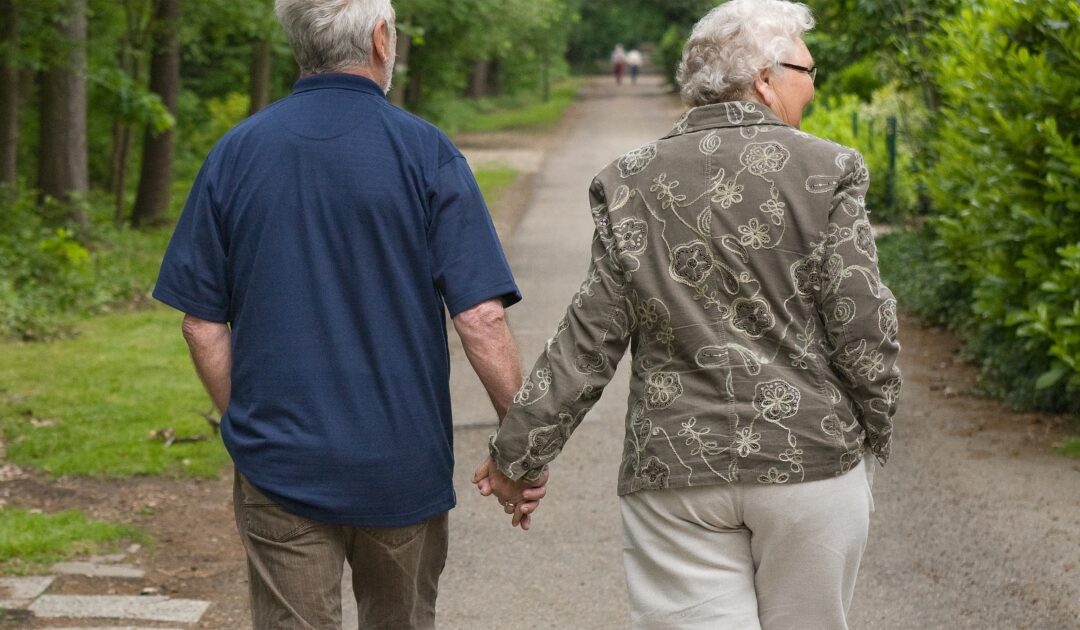
A fall can happen in a moment, but its effects may last for months. As we get older, even a seemingly minor slip can lead to a broken wrist, shoulder, spine or hip. Read about Preventing Falls After 60: Simple Steps That Protect Your Independence
Falls are not always simply “bad luck”. They may be a warning that your balance, muscle strength, eyesight, medication or home environment needs attention. The encouraging news is that many falls can be prevented through a few practical changes.
Why does the risk of falling increase with age?
Our bodies naturally change as we get older. Muscle strength may decrease, reactions can become slower and balance may not be as reliable as it once was.
Your risk may also increase because of:
- Poor eyesight or hearing
- Weak leg or hip muscles
- Arthritis or painful joints
- Dizziness when standing up
- Foot problems or unsuitable shoes
- Certain medications
- Medical conditions affecting the heart, nerves or balance
- Hazards around the home
Taking several medications can increase the chance of dizziness, confusion or unsteadiness. It is therefore important to ask your doctor or pharmacist to review your medication regularly, particularly if you have recently fallen or begun feeling unsteady.

Strength and balance are your best protection
One of the most effective ways to prevent falls is to remain physically active.
Strong legs help you get out of a chair, climb stairs and recover your balance if you stumble. Balance exercises help your body respond more quickly when the ground is uneven or you turn suddenly.
Simple exercises may include:
- Standing up and sitting down slowly from a sturdy chair
- Raising your heels while holding onto a counter
- Marching gently on the spot
- Walking regularly
- Using light weights or resistance bands
- Tai chi, Pilates or supervised balance classes
Start gradually and use a stable surface for support. Anyone who already feels very unsteady, has recently fallen or experiences pain while exercising should speak to a doctor or physiotherapist before beginning a new programme.
Avoiding activity because you are afraid of falling can unfortunately make the problem worse. Reduced movement leads to weaker muscles, poorer balance and even less confidence.
Make your home safer
Many falls happen during ordinary activities, particularly in bathrooms, kitchens, bedrooms and on stairs.
Walk through your home and look at it as though you were seeing it for the first time.
Remove tripping hazards
Loose rugs, electrical cords, clutter and low furniture can easily catch a foot. Remove unnecessary items from walkways and secure rugs with non-slip backing.
Keep frequently used belongings within easy reach. Avoid standing on chairs or boxes to reach high shelves.
Improve the lighting
Poor lighting makes it difficult to judge steps, obstacles and changes in floor level.
Make sure passages, staircases and entrances are well lit. A night light between the bedroom and bathroom can be particularly helpful.
Keep a lamp, torch or phone close to the bed so that you do not have to walk through a dark room.
Pay attention to the bathroom
Wet bathroom floors are a major cause of falls.
Consider:
- Non-slip mats or textured flooring
- Grab rails near the toilet and shower
- A shower chair if standing is difficult
- A raised toilet seat with arm supports
- Keeping the floor dry
- Installing a night light
Grab rails should be professionally and securely installed. A towel rail is not designed to support your body weight.
Make stairs safer
Stairs should have good lighting, clearly visible edges and a secure handrail. Handrails on both sides are ideal.
Never leave bags, shoes or other objects on the stairs.
Wear supportive shoes
Shoes should fit properly and have low heels with non-slip soles. Avoid loose slippers, backless shoes and walking around in socks on tiled or polished floors.
Replace shoes once their soles become smooth or the shoe no longer supports your foot properly.
Have your eyesight and hearing checked
Even small changes in vision or hearing can affect balance and depth perception.
Have regular eye examinations and make sure your glasses are appropriate for walking. Bifocal or multifocal lenses can sometimes make steps and changes in floor level harder to judge.
Hearing problems can also affect your awareness of your surroundings and should not be ignored.
Stand up slowly
Some people experience a sudden drop in blood pressure when standing up. This may cause dizziness, blurred vision or a feeling that you are about to faint.
Sit on the edge of the bed for a few moments before standing. Stand up slowly and hold onto something stable until you feel steady.
Repeated dizziness, blackouts or unexplained falls require medical assessment.
Keep your bones strong
Strong bones do not prevent a fall, but they may reduce the risk of a serious fracture if you do fall.
Bone health becomes increasingly important with age, particularly for women after menopause and anyone with osteoporosis.
Regular weight-bearing exercise, adequate calcium and vitamin D, maintaining a healthy body weight, avoiding smoking and limiting alcohol can all support bone health.
If a minor fall causes a fracture, this may be a sign of osteoporosis and should prompt further investigation.
What should you do after a fall?
Do not rush to stand up.
Take a moment to breathe and determine whether you are injured. Check for pain in your hip, groin, back, shoulder or wrist.
Seek urgent medical assistance if you have:
- Hip or groin pain
- Difficulty standing or placing weight on the leg
- A visibly deformed wrist or limb
- Severe back pain
- A head injury
- Vomiting, confusion or unusual drowsiness
- Severe swelling
- Dizziness, fainting or chest pain
Some hip and spine fractures are not immediately obvious. A person may still be able to stand or walk despite having a fracture. Persistent pain or difficulty walking after a fall should always be assessed.
If you are not seriously injured and feel able to get up, roll onto your side, move onto your hands and knees and crawl towards a sturdy chair. Use the chair to help yourself rise slowly.
People who live alone may benefit from carrying a mobile phone, wearing a fall-alert device or arranging regular contact with a family member or friend.
When should you see an orthopaedic surgeon?
An orthopaedic assessment may be appropriate when there is:
- Persistent hip, knee, shoulder, wrist or back pain after a fall
- Difficulty walking or bearing weight
- Repeated falls or near-falls
- A suspected fracture
- Known osteoporosis
- A previous fracture caused by a minor fall
- Increasing weakness or loss of mobility
A fall should not automatically be accepted as part of getting older. Identifying the cause and acting early can prevent a serious injury and help you remain active and independent.
This article “Preventing Falls After 60” does not provide medical advice and is intended for informational purposes only. It is not a substitute for professional medical advice, diagnosis or treatment. Please consult a doctor for all medical advice.
Sources:
https://www.nia.nih.gov/
https://www.hopkinsmedicine.org/
https://www.orthoinfo.org/

Meet Dr Peter Smith, a leading Orthopaedic Surgeon operating from the Mediclinic Milnerton in Cape Town, Western Cape. His practice is situated in the heart of this seaside town. Dr Peter Smith not only offers patients the full spectrum of professional orthopaedic treatments, but specialises in total knee replacement, total hip replacement, sports injuries and the latest arthroscopic surgery techniques and computer guided surgery. He gained extensive experience in the latest arthroplasty techniques during his stay of 6 years in Australia where he performed more than a hundred primary and revision hip and knee replacements cases in a year.
Call today!
Contact us for more information by clicking on the button to call us directly.