
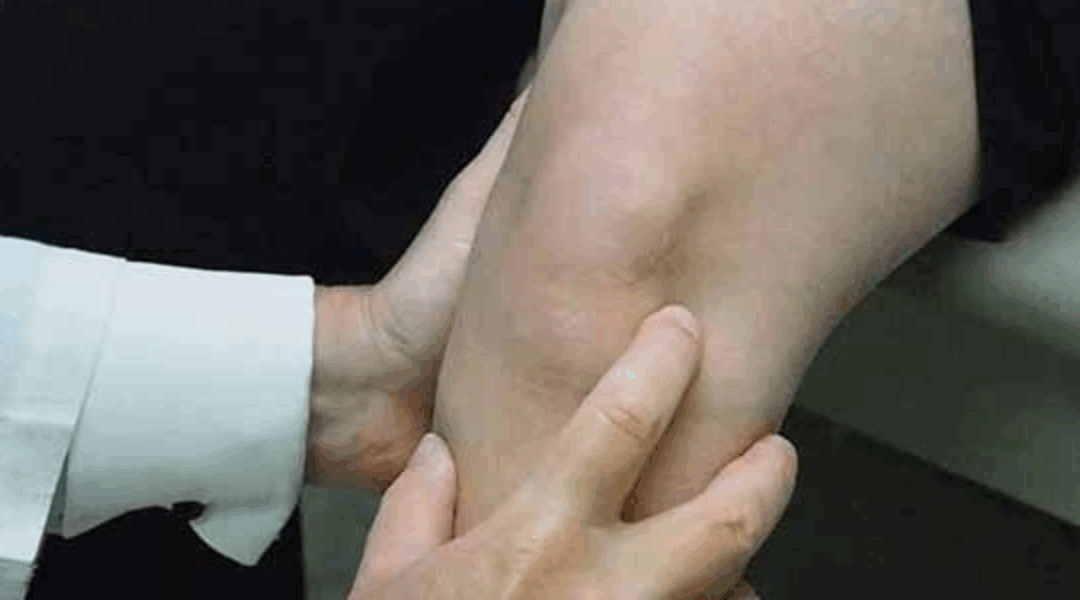
A meniscus tear is one of the most common knee injuries seen across all age groups — from young athletes to active adults and older patients.
When surgery is required, the decision typically lies between two procedures:
- Meniscal repair – stitching the torn meniscus back together
- Partial meniscectomy – trimming and removing the damaged portion
Both procedures can relieve pain and restore function. However, they differ significantly in their long-term implications for knee health. The choice depends on the type of tear, the patient’s age, activity level, and overall joint condition.
Understanding the Role of the Meniscus
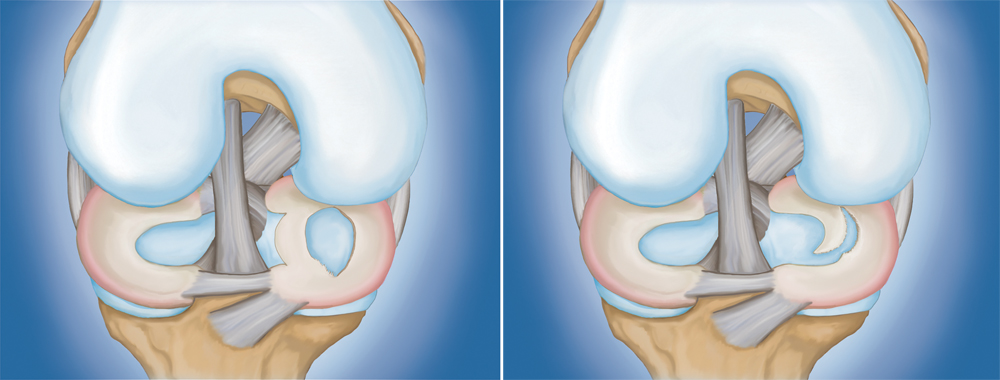
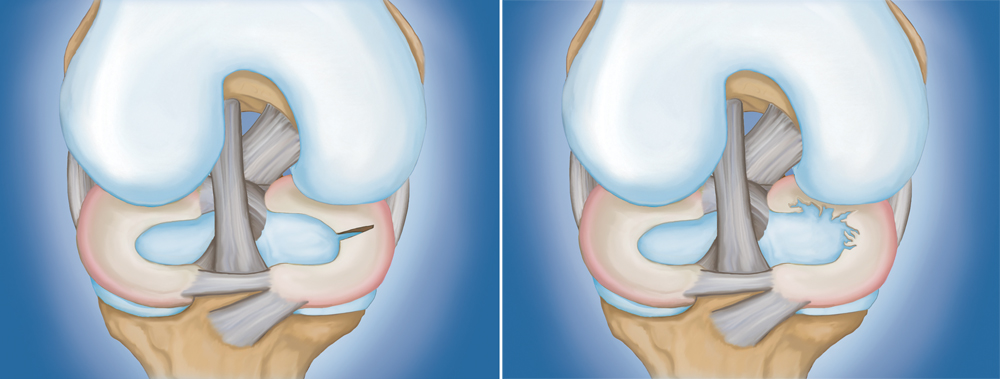
The meniscus is a C-shaped cartilage cushion inside the knee joint. It plays a critical role in:
- Shock absorption
- Load distribution
- Joint stability
- Cartilage protection
When part of the meniscus is removed, contact pressure within the knee can increase significantly — in some studies by up to 65%. Over time, this increased pressure may contribute to cartilage wear and osteoarthritis.
For this reason, modern orthopaedics increasingly prioritises meniscal preservation whenever biologically possible.

- Young and Athletic Patients
In younger, active individuals — particularly those participating in sport — meniscal repair is generally preferred when the tear pattern allows it.
Why repair is favoured in this group:
- Preserves normal knee biomechanics
- Reduces the risk of early osteoarthritis
- Provides better long-term functional outcomes
- Supports higher return-to-sport rates
Tears located in the outer, blood-rich (“red-red” or “red-white”) zones have the greatest healing potential and are ideal candidates for repair.
When repair is performed alongside ACL reconstruction, healing rates may be even higher due to increased biological healing factors within the knee.
When meniscectomy may be appropriate:
- Tears in the inner “white-white” zone (poor blood supply)
- Complex or degenerative tear patterns not amenable to repair
- Situations where rapid return to activity is critical
Meniscectomy typically allows faster recovery — often within 4–8 weeks — compared to several months for repair. However, the long-term trade-off is increased risk of cartilage degeneration.
- Adults Aged 30–44
This age group often represents a transitional phase in decision-making.
Historically, surgeons were more likely to favour trimming in patients over 30 due to concerns about healing capacity. However, evolving evidence has demonstrated that:
- Repairs can still achieve excellent outcomes in this age range
- Functional scores are often superior after repair
- Preservation offers better long-term joint protection
In patients with traumatic tears and otherwise healthy cartilage, repair is increasingly considered — even beyond the traditionally “young athlete” category.
Age alone is no longer viewed as an absolute contraindication to repair.
- Patients Over 40
Older age was once commonly viewed as a reason to prefer meniscectomy. However, more recent comparative studies in patients aged 40 and above show:
- Meniscal repair can produce better clinical outcome scores
- Pain relief is comparable between procedures
- Repair may offer improved long-term joint preservation
That said, careful patient selection remains essential.
Degenerative Tears
In patients over 50 with established degenerative changes:
- Non-operative management (including physiotherapy) is often first-line
- Meniscectomy in an arthritic knee may accelerate progression toward joint replacement
In these cases, the decision must balance symptom relief, cartilage status, and overall knee health.
Broader Considerations in Surgical Planning
While tear biology and patient age are central to the decision, surgery is never determined by anatomy alone.
Meniscal repair requires:
- A longer rehabilitation period (often 3+ months)
- Temporary restricted weight-bearing
- Structured physiotherapy
- High patient compliance
Professional responsibilities, sporting goals, travel demands, and lifestyle factors all influence what is realistic for each individual.
In specialist orthopaedic practice, the approach is highly individualised. Decision-making considers:
- Tear type and location
- Cartilage condition
- Activity level and long-term goals
- Occupational demands
- Recovery expectations
- Informed discussion of risks and benefits
Surgeon experience and technical expertise also play a role, particularly as meniscal preservation techniques continue to evolve and improve.
The modern philosophy is not ideological — it is strategic and patient-specific.
Clinical Comparison
| Feature | Meniscal Repair | Partial Meniscectomy |
| Recovery Time | 3+ months | ~6 weeks |
| Weight Bearing | Limited initially | Usually immediate |
| Reoperation Risk | Higher (up to ~20%) | Lower (~4%) |
| Long-Term Arthritis Risk | Lower | Higher |
| Ideal Candidates | Young, active, repairable tears | Non-repairable or complex tears |
The Contemporary Perspective
Although meniscectomy offers faster short-term recovery, it increases long-term joint loading and the potential for degenerative change.
Meniscal repair:
- Preserves joint biomechanics
- Protects cartilage health
- Supports long-term knee longevity
While repair carries a higher early re-operation rate, preservation is now recommended whenever biologically feasible and clinically appropriate.
The guiding principle in modern knee surgery is clear:
Preserve the meniscus whenever possible — individualise the decision when necessary.
This article ” Meniscal Repair vs Meniscectomy in Different Patient Populations” does not provide medical advice and is intended for informational purposes only. It is not a substitute for professional medical advice, diagnosis or treatment. Please consult a doctor for all medical advice.

Meet Dr Peter Smith, a leading Orthopaedic Surgeon operating from the Mediclinic Milnerton in Cape Town, Western Cape. His practice is situated in the heart of this seaside town. Dr Peter Smith not only offers patients the full spectrum of professional orthopaedic treatments, but specialises in total knee replacement, total hip replacement, sports injuries and the latest arthroscopic surgery techniques and computer guided surgery. He gained extensive experience in the latest arthroplasty techniques during his stay of 6 years in Australia where he performed more than a hundred primary and revision hip and knee replacements cases in a year.
Sources:
- https://www.sciencedirect.com/
- pmc.ncbi.nlm.nih.go
- https://bjsm.bmj.com/
Call today!
Contact us for more information by clicking on the button to call us directly.